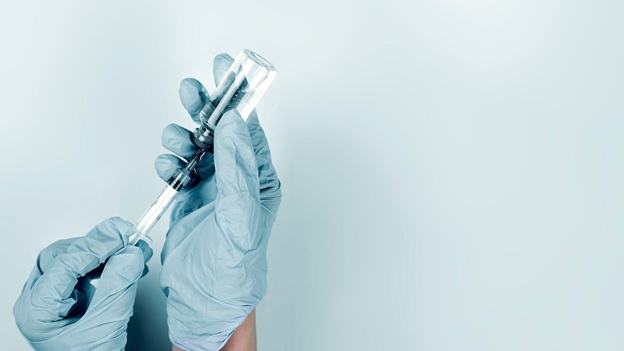
Now let us walk through the actual reconstitution process in detail that goes beyond what most guides offer
Their dedication to transparency and quality control is evident in their promise to make COAs available for all products very soon
Essential Equipment and Materials Required Equipment: Sterile glass vials or low-binding microcentrifuge tubes Calibrated micropipettes (10-1000 L range) Sterile filter tips Vortex mixer or gentle rocker Analytical balance (0.1 mg precision) Reconstitution Solvents: Sterile water (molecular biology grade) Bacteriostatic water (contains 0.9% benzyl alcohol as preservative) Phosphate buffered saline (PBS, pH 7.4) Dilute acetic acid solution (0.1% v/v) DMSO (for highly hydrophobic peptides) Optional Materials: Sonicator bath pH meter 0.22 m sterile filters All materials must be sterile and free from endotoxins for cell culture applications
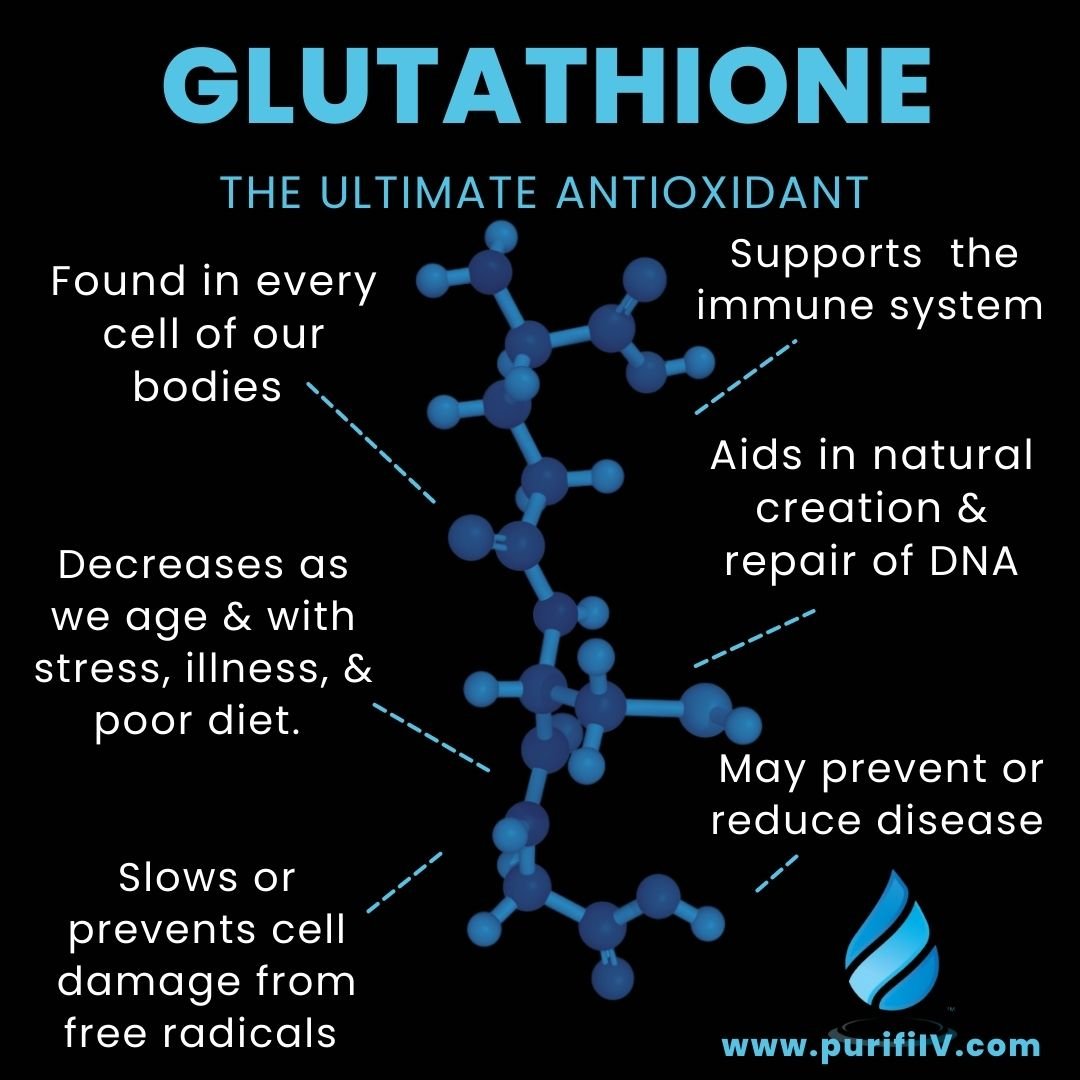
Oxidants = reactive oxygen species (ROS) / free radicals Antioxidants = molecules that neutralise ROS by donating electrons This is fundamentally a REDOX imbalance Free radicals are electron-deficient molecules that: Steal electrons from healthy cells Trigger chain reactions of oxidation Damage: Cell membranes (lipid peroxidation) Proteins (enzyme dysfunction) DNA (accelerated ageing, impaired repair) In SKIN, this translates to: Fine lines & wrinkles Loss of elasticity Pigmentation irregularities Impaired barrier function Chronic inflammation UV radiation ( primary extrinsic ageing factor ) Pollution & cigarette smoke Inflammation (acne, rosacea, dermatitis) Poor sleep & psychological stress Aggressive aesthetic treatments without adequate antioxidant support Antioxidants donate electrons without becoming unstable themselves, effectively terminating free-radical chain reactions and reducing OXIDATIVE STRESS
Revenue figures are FY2024 unless noted
Where available, batch documentation and Certificates of Analysis (COAs) can support product verification